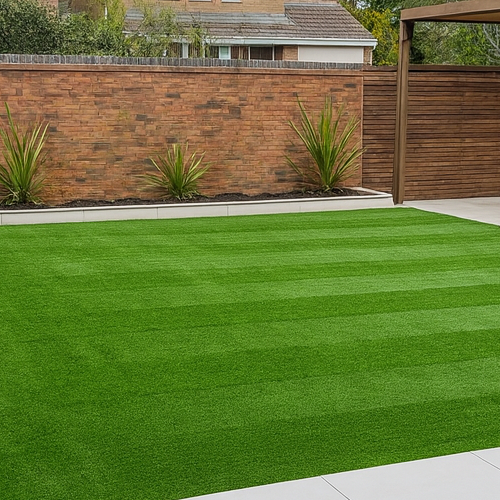
Summer is when gardens are used at their absolute peak. Patios become extensions of the home, children and pets spend more time outdoors and barbecues, gatherings and quiet evenings in the garden become part of everyday life.
Yet it is also the season when outdoor spaces can deteriorate fastest if they are not properly maintained.
Warm temperatures, increased footfall and intermittent summer rainfall create ideal conditions for algae, mould, bacteria and unpleasant odours to develop across hard surfaces, drains, bin areas and high-use zones.
Effective summer garden cleaning is therefore about far more than appearances.
As outdoor cleaning specialists since 1877, the team at Jeyes Fluid has seen time and again that summer maintenance is most effective when it is proactive rather than reactive.
This ultimate guide brings together practical advice, seasonal insight and proven outdoor cleaning principles to help you care for your garden properly this summer.
The Hygiene Risks
Summer presents a unique set of hygiene challenges in the garden, largely driven by warmer temperatures, increased moisture and heavier day-to-day use of outdoor spaces.
Understanding these risks is essential to maintaining a garden that is not only attractive, but also safe and hygienic throughout the season:
Heat, Moisture and Organic Growth
Warm weather accelerates the growth of algae, mould and lichen on patios, paths, decking and shaded areas.
When combined with summer rain or overnight dew, these organic deposits can quickly spread and become firmly established.
Aside from affecting appearance, they significantly increase the risk of slips and falls, particularly on smooth paving or steps that are frequently walked on barefoot.
Bacteria and Odours in High-Use Areas
Areas that see regular use in summer - such as seating spaces, children’s play zones, bin storage areas and pet areas - are more prone to bacterial build-up.
Food residue, organic waste and pet fouling all break down more rapidly in warm conditions, increasing the likelihood of unpleasant odours and hygiene concerns if surfaces are not cleaned thoroughly and regularly.
Drains and Hidden Problem Areas
Garden drains, gullies and run-off channels are often overlooked until a problem develops. During summer, dry soil, leaves, grass cuttings and organic debris can easily accumulate, restricting water flow.
When rainfall does occur, these blockages can lead to standing water and odours, creating conditions that are both unhygienic and difficult to resolve later.
Risks for Families and Pets
Gardens are heavily used by children and pets during summer, increasing the importance of maintaining clean, safe surfaces.
Contaminated paving, stagnant water or poorly maintained waste areas can expose vulnerable users to bacteria that would otherwise be of little concern in cooler months.
By recognising how summer conditions intensify hygiene risks outdoors, homeowners can take a more informed and preventative approach to garden cleaning.
Addressing these issues early in the season helps reduce long-term damage, supports safer outdoor living and ensures the garden remains a comfortable, enjoyable space throughout the summer months.
Preparing Your Garden for a Deep Summer Clean

A successful summer clean starts with proper preparation. Taking time to assess your garden, clear problem areas and choose the right approach ensures cleaning is effective, efficient and safe for both surfaces and people.
Clear Debris and Organic Waste First
Before introducing any cleaning products, remove loose debris such as leaves, grass cuttings, soil and fallen petals from patios, paths, decking and lawn edges.
Organic matter left in place can reduce the effectiveness of cleaning solutions and may even encourage further algae or bacterial growth when combined with moisture.
Pay particular attention to:
- Corners and shaded areas where debris collects
- Around planters, furniture legs and drainage points
- Bin areas and pet zones where residue can linger
Identify Surfaces and Problem Areas
Not all garden surfaces should be treated in the same way. Summer cleaning often involves a mix of paving, concrete, stone, decking, artificial grass and masonry - each with different requirements.
Taking a few moments to identify surface types helps prevent accidental damage and ensures the correct products and methods are used.
This is also the ideal time to pinpoint high-risk areas such as slippery patios, discoloured decking, blocked drains or spaces with persistent odours. Addressing these early prevents them from worsening as temperatures rise.
Choose Products Designed for Outdoor Use
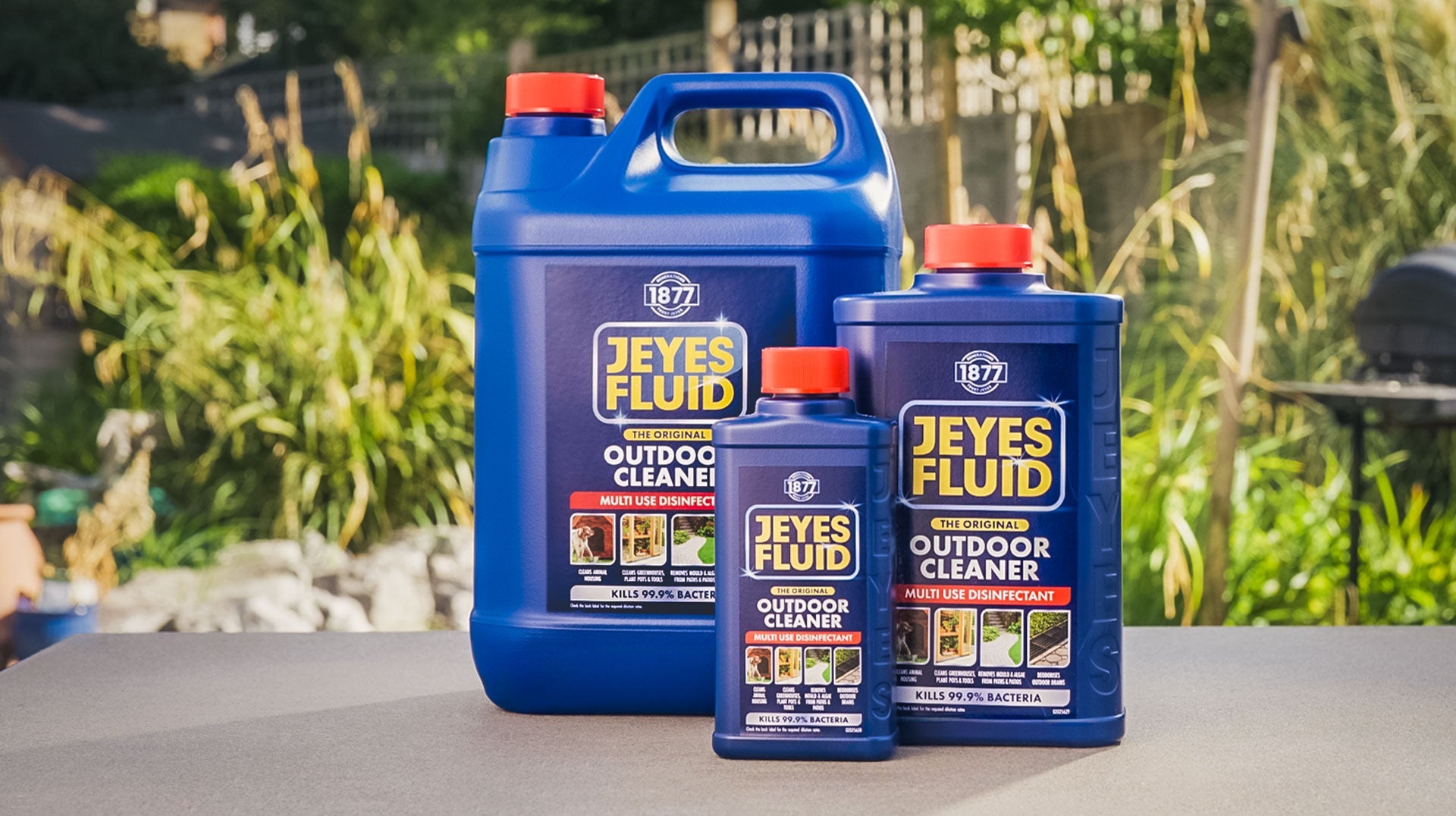
Outdoor environments require specialist solutions. Household cleaners are not formulated for external conditions and may be ineffective, unsuitable for certain surfaces or require excessive scrubbing to achieve results.
If you are unsure which solutions are best suited to your garden, the outdoor product selector can help identify appropriate options based on surface type and cleaning needs.
Consider Safety Before You Start
Summer cleaning should always be planned with safety in mind. Ensure children and pets are kept away from treated areas during cleaning, follow all label instructions carefully and wear suitable protective clothing where recommended.
How to Clean Key Garden Areas in Summer
Different parts of the garden face different challenges during summer, from slippery patios to odorous drains and heavily used social spaces.
Cleaning effectively means understanding how each area behaves in warm weather and applying the right approach to keep surfaces safe, hygienic and looking their best.
Cleaning Patios and Paving
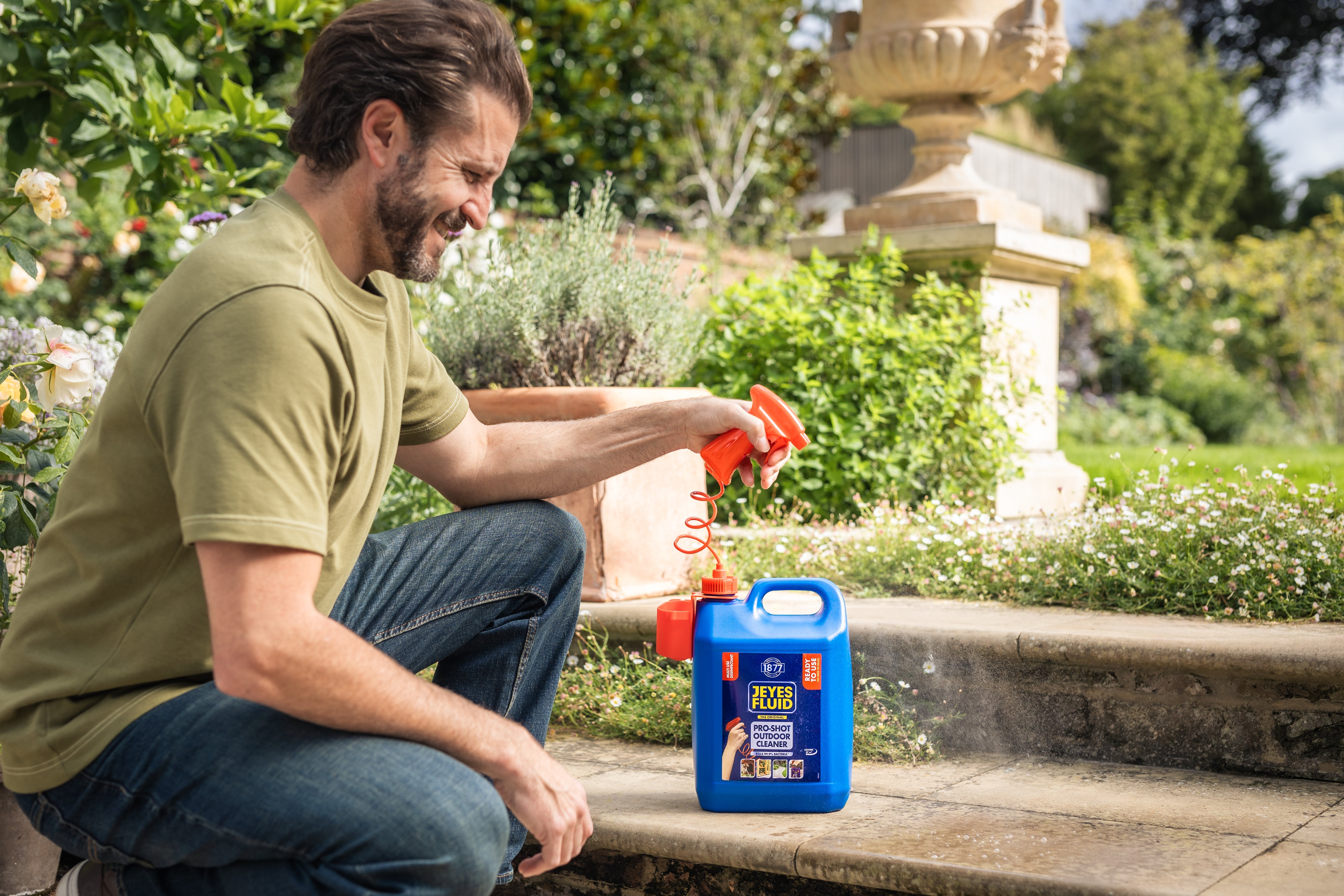
Patios and paved areas are among the hardest-working surfaces in summer. Increased foot traffic, food spills, plant debris and warm, damp conditions all contribute to algae and grime build-up.
Left untreated, this can create slippery surfaces and stubborn staining that becomes harder to remove as the season progresses.
Regular cleaning using a dedicated patio solution helps lift dirt and organic growth without damaging the surface.
Products specifically developed for paving, such as those found in the patio and decking cleaner range, are designed to tackle algae and grime while being suitable for repeated seasonal use.
For deeper or more established build-up, a concentrated solution like the 4-in-1 Patio & Decking Cleaner can help restore appearance and improve underfoot safety when used as directed.
Decking Care in Hot Weather
Decking, whether timber or composite, requires particular care during summer. Heat can dry out wood, while moisture encourages algae growth on shaded boards. Using unsuitable products or overly aggressive methods can damage the surface or reduce its lifespan.
A gentle but effective approach is key; remove loose debris first, then clean using a decking-appropriate solution, paying attention to grooves and joins where dirt collects.
Regular maintenance during summer helps prevent slippery build-up and keeps decking safer for barefoot use.
Artificial Grass and Lawn Surrounds
Artificial grass and lawn edges often become focal points during summer, especially in gardens with children or pets.
While artificial turf is low maintenance, it can still harbour bacteria, odours and residues in warm weather.
Occasional treatment with a specialist cleaner, such as artificial grass cleaner, helps maintain hygiene, neutralise odours and keep the surface fresh without affecting the structure of the grass.
Garden Drains, Gullies and Run-Off Channels
Drains and gullies are frequently overlooked until problems arise. During summer, dry debris such as soil, leaves and grass cuttings can accumulate unnoticed. When rain arrives, blockages can quickly lead to standing water and unpleasant smells.
Routine maintenance using solutions from the drain unblocker range helps keep water flowing freely and reduces the risk of odours developing during hot weather.
For tougher blockages, a powerful option like Liquid Heat Drain Unblocker can be used as part of a proactive summer maintenance routine.
High-Use Pathways and Access Areas
Paths, steps and entry points into the garden experience concentrated foot traffic in summer. These areas benefit from more frequent attention, particularly where surfaces transition from indoors to outdoors.
Keeping them clean helps prevent dirt being tracked inside and reduces slip risks during sudden summer showers.
By tailoring your approach to each key garden area, summer cleaning becomes more manageable, more effective and far more reliable.
Addressing problems early not only improves appearance but also supports safer, more hygienic outdoor living throughout the season.
Summer Bin Areas, BBQ Zones and Outdoor Living Spaces

During summer, certain parts of the garden are exposed to higher hygiene demands than at any other time of year.
Bin storage areas, barbecue zones and outdoor seating spaces are used frequently and often in close proximity to food, making regular and effective cleaning particularly important in warm weather.
Managing Bin Areas in Hot Weather
Wheelie bins and outdoor bin stores are a common source of odours during summer.
Heat accelerates the breakdown of food waste and organic material, increasing smells and attracting insects if bins and surrounding areas are not properly maintained.
Regularly cleaning bin lids, handles and the ground beneath helps control bacteria and prevents odours from lingering.
Using a specialist solution such as Jeyes Fluid Freshbin Powder can help neutralise smells at the source and support a cleaner, more hygienic bin area throughout the warmer months.
Keeping BBQ Areas Hygienic and Food-Safe
Barbecues are a highlight of summer, but they also present specific hygiene risks if grease, food residue and burnt-on deposits are allowed to build up.
Dirty grills can affect food quality and increase the risk of contamination, particularly when cooking for family and guests.
Cleaning barbecues regularly during the season helps maintain safe cooking conditions and prolongs the life of equipment.
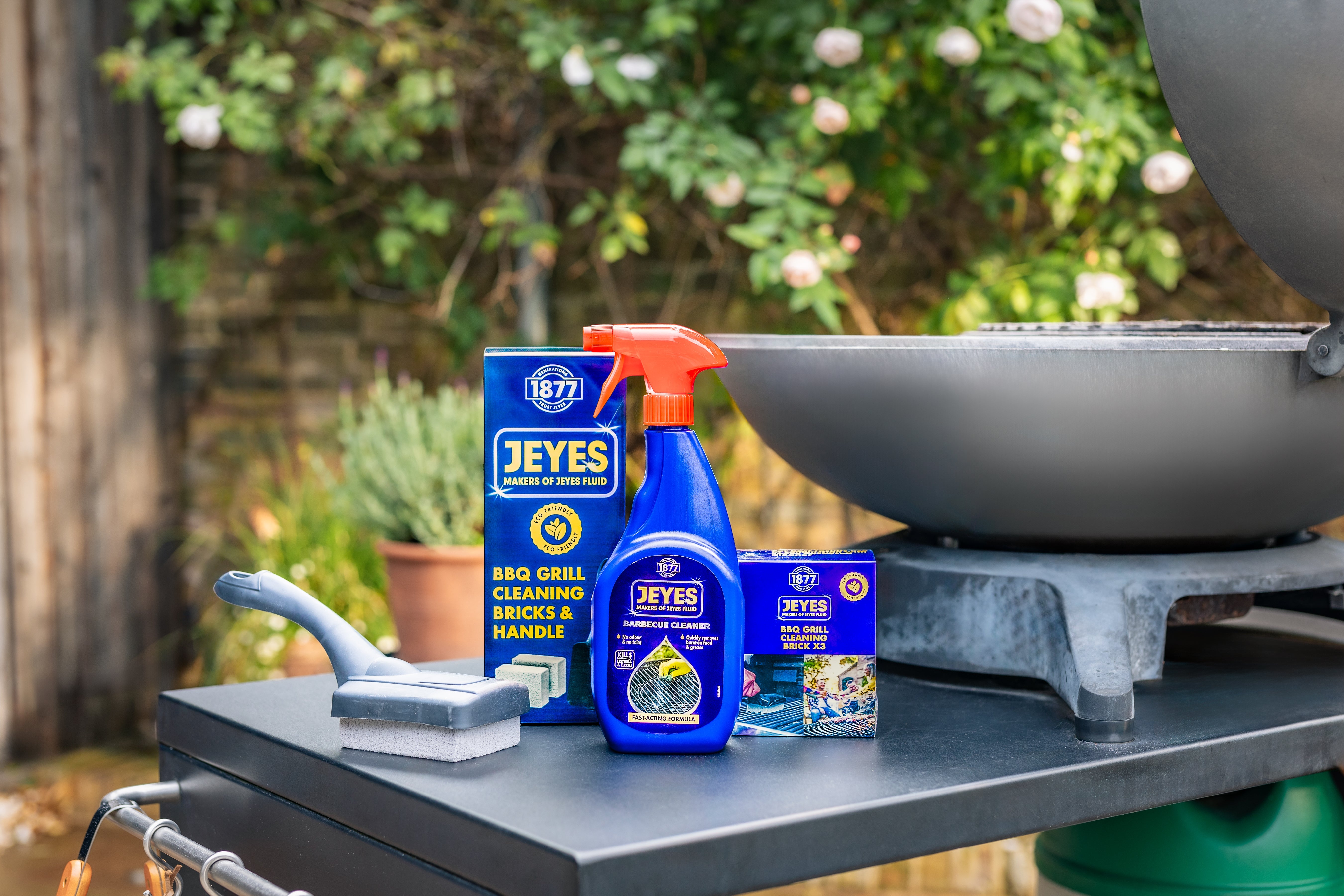
Purpose-designed products from the BBQ cleaning solutions range are formulated to tackle stubborn grease and carbon deposits without unnecessary effort.
For routine maintenance, a targeted option like the BBQ Cleaner allows grills, trays and cooking surfaces to be cleaned efficiently before or after use, supporting better hygiene all summer long.
Outdoor Seating and Social Spaces
Patios, tables, chairs and outdoor furniture are used more frequently in summer and are often exposed to food spills, sunscreen residue, pollen and general grime.
These areas benefit from regular light cleaning to maintain comfort and appearance, particularly before guests arrive.
Pay attention to armrests, table edges and surrounding paving where residue can build up unnoticed. Maintaining cleanliness in these social spaces helps preserve their appearance and ensures they remain welcoming, hygienic environments for everyday use.
By giving bin areas, BBQ zones and outdoor living spaces the attention they require during summer, you reduce odours, support food safety and create a garden environment that is both enjoyable and responsibly maintained throughout the season.
Protecting Surfaces After Cleaning
Once garden surfaces have been thoroughly cleaned, protecting them is an important next step - particularly in summer.
Warm weather encourages rapid regrowth of algae and organic matter and unprotected surfaces can quickly lose the benefits of even the most thorough clean.
Why Surface Protection Matters in Summer
During summer, cleaned patios, paving and masonry are immediately exposed to sunlight, airborne spores, pollen and moisture from watering or rainfall. Without protection, these elements can begin to take hold again, leading to faster discolouration and renewed slipperiness.
Applying protective treatments after cleaning helps to:
- Slow down algae and grime regrowth
- Make surfaces easier to maintain between cleans
- Preserve the appearance of paving and masonry for longer
- Reduce the need for frequent deep cleaning
This preventative approach is particularly valuable during periods of high garden use, when safety and appearance matter most.
Protecting Patios, Paving and Grout
Porous materials such as stone, concrete and grout are especially vulnerable once they are clean, as open pores readily absorb moisture and organic contaminants.
Using products from the surface protection and grout cleaning range helps create a more resilient surface that is better equipped to cope with summer conditions.
Protection does not replace regular maintenance, but it significantly reduces how quickly dirt and algae return, making routine cleaning quicker and less labour-intensive.
Sealing Driveways and Masonry Areas
Driveways, garden paths and masonry features benefit from additional protection after cleaning, particularly in exposed or high-traffic areas.
Applying a specialist sealer helps repel water, reduce staining and protect against weathering during warmer months.
A product such as Jeyes Masonry & Driveway Sealer can help maintain a cleaner appearance for longer while supporting the long-term condition of outdoor surfaces when used as directed.
A Smarter, Long-Term Approach to Garden Care
Protecting surfaces after cleaning reflects a considered, expert-led approach to summer garden maintenance.
Rather than repeatedly tackling the same problems, surface protection helps extend the life of cleaning results and supports safer, more reliable outdoor spaces throughout the season.
Summer Garden Cleaning Safety Advice

Cleaning the garden in summer should always be approached with care and consideration. Warmer temperatures, increased outdoor activity and the presence of children and pets mean safety must remain a priority at every stage of the cleaning process.
Follow Product Instructions Carefully
Always read and follow the instructions provided on outdoor cleaning products. These guidelines are designed to ensure effective results while protecting both users and surfaces.
Using more product than recommended or applying it incorrectly does not improve performance and can increase risk.
Purpose-designed outdoor solutions are formulated to work efficiently when used as directed, reducing the need for excessive scrubbing or repeat applications.
Protect Children and Pets During Cleaning
Summer often means children and pets are in the garden more frequently. During cleaning, it is important to keep them away from treated areas until surfaces are fully dry and safe to use again.
This is particularly important when cleaning patios, paths and high-use zones where contact is more likely.
Where possible, plan cleaning for quieter times of day and allow adequate drying time before the area is used again.
Wear Suitable Protective Clothing
Depending on the task, basic protective equipment such as gloves and suitable footwear can help reduce the risk of skin contact or slips.
Non-slip footwear is especially important when cleaning smooth paving or decking, as surfaces may be wet during the process.
Be Mindful of Heat and Ventilation
In hot weather, outdoor cleaning should be carried out during cooler parts of the day, such as early morning or late afternoon.
This helps reduce fatigue and allows greater control when applying products. Avoid working in direct midday sun where possible and take regular breaks to stay comfortable and focused.
Store Products Safely in Warm Weather
Cleaning products should always be stored in line with label guidance, away from direct sunlight and out of reach of children and pets. Warm conditions can affect product performance if storage instructions are not followed.
By taking a careful, informed approach to safety, summer garden cleaning can be carried out confidently and responsibly, helping to maintain a clean, hygienic outdoor space without unnecessary risk.
How Often Should You Clean Your Garden in Summer?
One of the most common questions homeowners ask is how frequently garden cleaning should be carried out during summer.
The answer depends on weather conditions, usage levels and the types of surfaces in your outdoor space, but a structured routine helps prevent problems from developing in the first place.
Weekly Light Maintenance
In summer, light maintenance on a weekly basis is often enough to keep gardens looking presentable and hygienic.
This includes sweeping patios and paths, removing organic debris, checking bin areas and rinsing down high-use zones such as seating areas and entrances.
Regular attention at this level helps prevent algae, dirt and residues from becoming ingrained, particularly during warm spells when build-up happens quickly.
Monthly Deeper Cleaning
A more thorough clean every few weeks is advisable for surfaces such as patios, decking, artificial grass and drains.
This is especially important during periods of high use, such as school holidays or extended dry weather followed by rainfall.
Seasonal Adjustments During Heatwaves
During prolonged hot weather, gardens may need closer monitoring.
Increased watering, more outdoor meals and heavier foot traffic can all accelerate grime and bacterial growth. In these conditions, adjusting your routine slightly - for example, checking drains or bin areas more frequently - helps maintain hygiene and comfort.
Maintenance vs Deep Cleaning
It is important to distinguish between ongoing maintenance and occasional deep cleaning.
Maintenance keeps surfaces under control, while deep cleaning restores areas that have been neglected or heavily affected by organic build-up. A balanced approach combining both is the most effective way to care for a garden throughout summer.
If you are unsure how often specific areas should be cleaned or which approach is most suitable, the FAQs and expert guidance section provides additional clarity based on common outdoor cleaning scenarios.
By adopting a realistic and informed cleaning schedule, summer garden maintenance becomes far more manageable - helping to keep outdoor spaces safe, hygienic and enjoyable throughout the season.
Ready to Clean Your Garden!
You are now set to clean your garden in the summer.
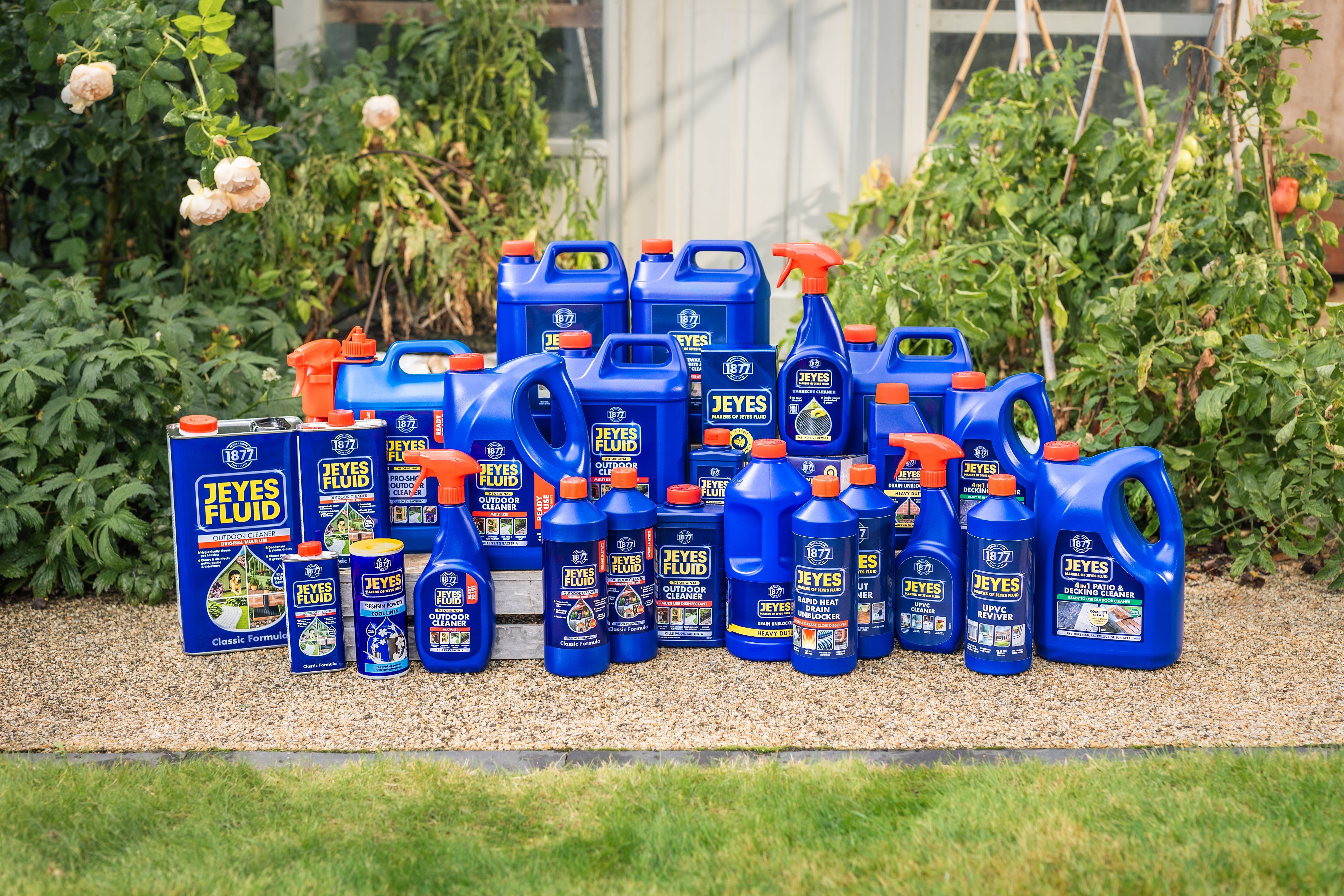
For those looking to maintain their garden with confidence throughout the season, exploring the full range of Jeyes Fluid outdoor cleaning products can help ensure every area is cared for appropriately, using solutions developed specifically for the realities of outdoor cleaning.
If you have any direct questions, please contact our team and we will be happy to help.