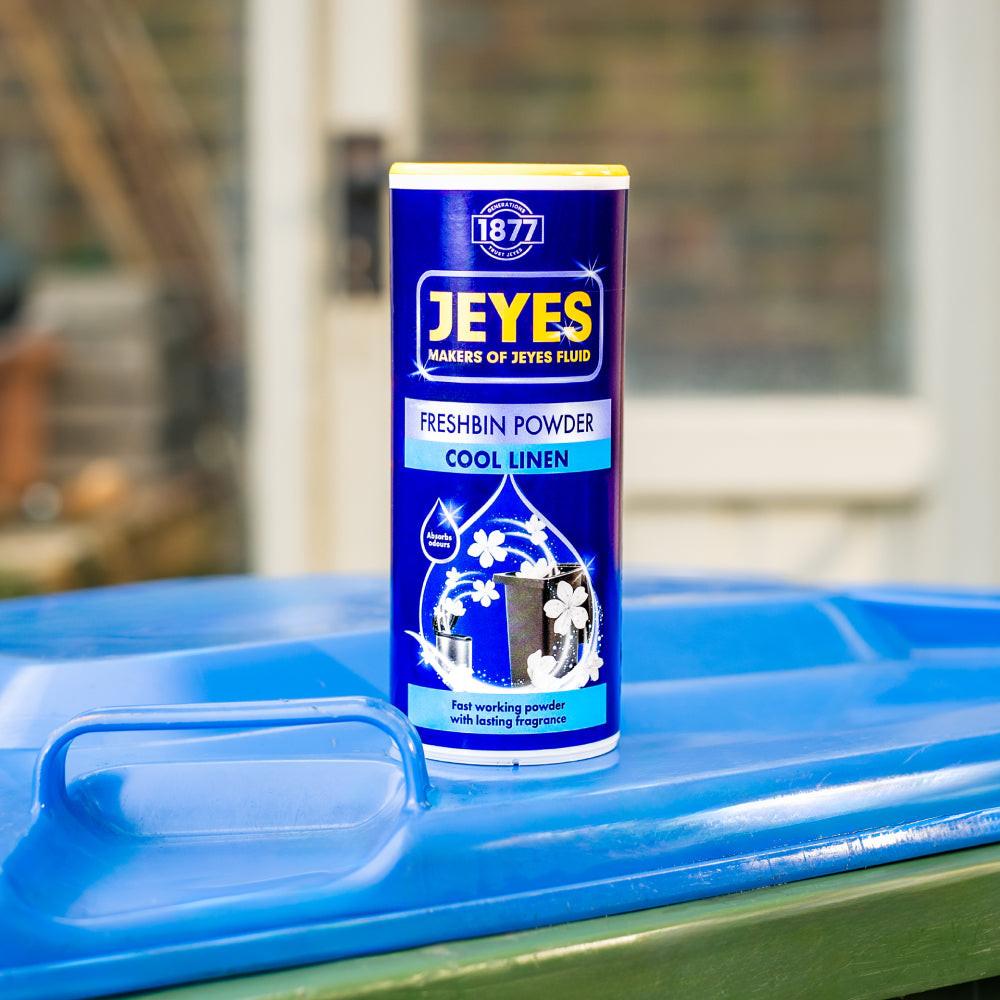
Household bins play a vital role in everyday life, yet they are often one of the least regularly cleaned items around the home.
From food waste and packaging to garden debris, bins can quickly become unhygienic if they are not properly maintained.
Understanding how to clean your bin thoroughly - not just rinse it - is key to keeping your space cleaner, fresher and more pleasant to use.
Drawing on our generations of cleaning expertise, this guide explains exactly how to clean and disinfect your bin properly.
What You’ll Need
Using appropriate equipment not only improves hygiene results but also helps ensure the task is carried out safely and efficiently.
To clean and disinfect your bin properly, you will need:
- Protective gloves – to prevent direct contact with waste residue and bacteria
- A stiff brush or long-handled broom – ideal for scrubbing the base, sides and lid
- Access to water – an outdoor tap or hose makes rinsing far more effective
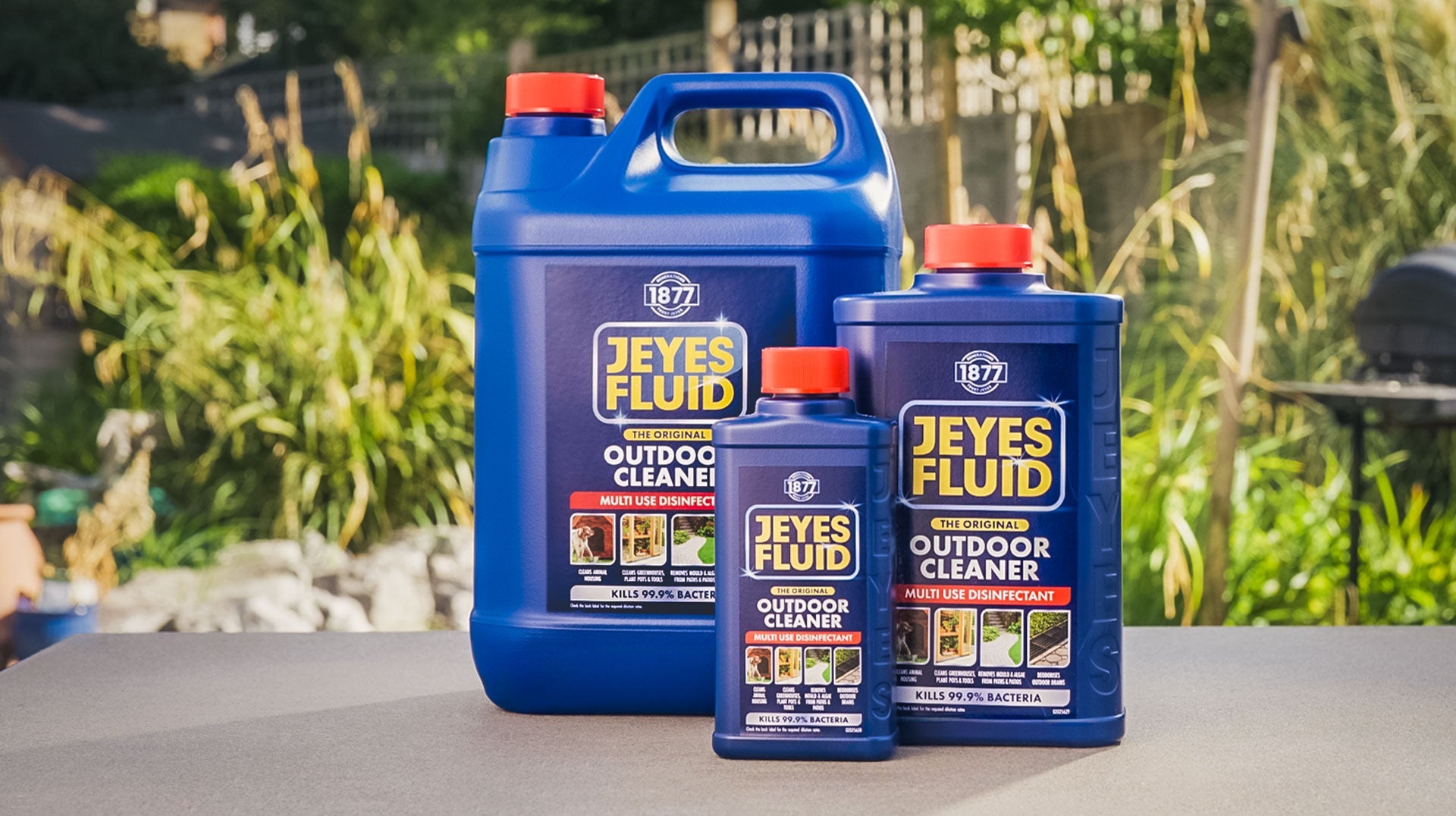
- A reliable disinfectant solution – designed to tackle bacteria and neutralise odours
Using a trusted bin disinfectant is essential for maintaining proper hygiene. While water alone can remove visible dirt, a disinfectant helps eliminate bacteria that cause lingering smells and hygiene issues.

How to Clean Your Bin – Step-by-Step Guide
Follow these steps to ensure you are cleaning your bin the most effective way possible:
Step 1: Empty the Bin Completely
Before you begin, make sure the bin is fully emptied and any liners or loose debris are removed. It’s best to clean your bin shortly after collection day, when it’s at its emptiest and easiest to handle.
Step 2: Rinse Away Loose Dirt
Using an outdoor tap or hose, rinse the inside of the bin to remove loose waste, residue and surface dirt. Pay particular attention to the base of the bin, where liquids often collect and the inside of the lid.
Step 3: Apply Your Cleaning Solution
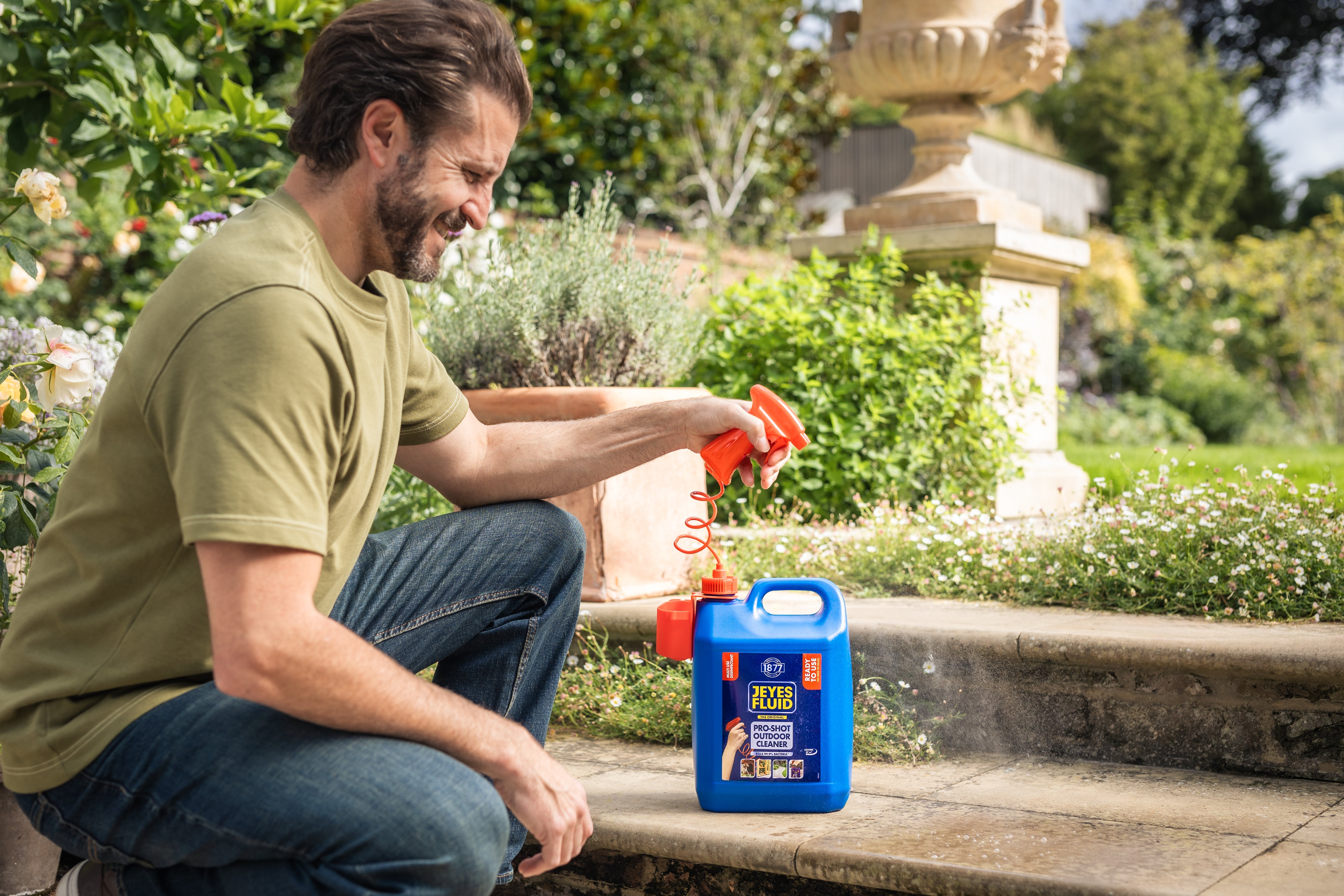
Prepare your cleaning or disinfecting solution according to the product instructions.
Apply it evenly across the inside surfaces of the bin, ensuring the sides, base and underside of the lid are all covered. This step is essential for breaking down grime and targeting bacteria.
Step 4: Scrub Thoroughly
Using a stiff brush or long-handled broom, scrub the bin thoroughly. Focus on corners, seams and any areas where residue tends to build up. Handles and lid edges should not be overlooked, as these are frequent touch points.
Step 5: Rinse and Drain
Once scrubbed, rinse the bin again with clean, warm water to remove loosened dirt and cleaning solution. Allow the bin to drain fully, either by tipping it slightly or leaving it upside down for a short time.
Step 6: Disinfect and Leave to Dry
If your cleaning process includes a separate disinfecting stage, apply it now and allow the recommended contact time. Once complete, leave the bin to air dry fully before replacing liners or returning it to its usual position.
How Often Should You Clean Your Bin?
How often you should clean your bin depends on how it’s used, but as a general rule, a thorough clean and disinfection every two to four weeks is recommended.
This helps prevent the gradual build-up of bacteria, residue and odours that can develop even when bin liners are used.
If your bin regularly contains food waste, nappies or garden debris, more frequent cleaning may be necessary - particularly during warmer weather, when heat accelerates bacterial growth and smells can worsen more quickly.
Households with pets may also benefit from cleaning bins more often to discourage insects and scavenging animals.
How to Keep Your Bin Cleaner for Longer
Once your bin has been properly cleaned and disinfected, a few simple habits can help keep it hygienic for longer and reduce the need for frequent deep cleans:
Use bin liners
This is one of the most effective preventative steps. Ensure liners are well-fitted and replaced regularly, especially if they become torn or leak.
Wrapping food waste before disposal
Ensuring this is carried out can also significantly reduce residue and odours, particularly during warmer months.
Rinsing food containers and packaging
This helps limit the build-up of sticky residues that encourage bacteria and smells. It’s also good practice to close the bin lid fully after use, as this helps deter flies and prevents rainwater from entering and creating damp conditions inside.
Time to Clean!
Keeping your bin clean and hygienic doesn’t need to be complicated, but it does benefit from doing things properly and consistently.
A consistent routine is far more effective than occasional, reactive cleaning.
If you have any further questions about our products, feel free to contact our expert team.