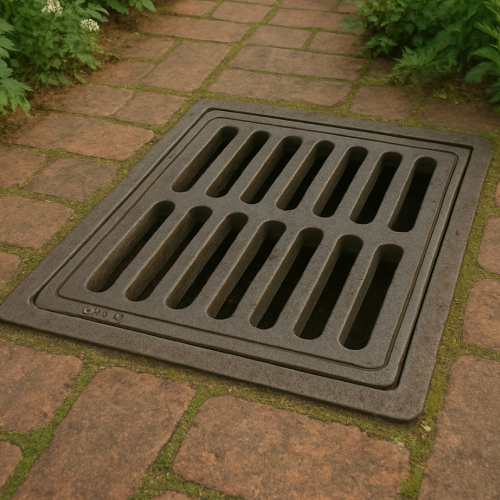
Outdoor drains play a crucial role in managing rainwater, wastewater and everyday runoff around your home - yet they’re often overlooked until something goes wrong.
As outdoor cleaning experts trusted by households since 1877, we understand how disruptive a blocked drain can be.
From pooling water and unpleasant odours to potential structural concerns, a blockage needs prompt attention and the right approach to clear it safely.
In this guide, we explain how to diagnose, clear and prevent outdoor drain blockages using proven methods and dependable solutions.
We also outline when to use powerful treatments such as our Liquid Heat Drain Unblocker or our Drain Unblocker depending on the severity and nature of the issue.
Signs Your Outdoor Drain Is Blocked
First, let’s take a very quick look at any potential signs that your drain is blocked to consider:
- Slow drainage/standing water
- Unpleasant odours from drain
- Gurgling noises or backflow
What You Need Before You Begin
Before tackling a blocked outdoor drain, it’s important to gather the right tools and protective equipment.
This ensures the job can be completed safely, efficiently and without risk to your drainage system.
A good unblocking kit typically includes:
- Protective gloves to safeguard your hands from bacteria and sharp debris.
- Eye protection, especially when using chemical treatments or drain rods.
- A drain rod or rod set, ideal for dislodging compacted material deeper within the pipe.
- A bucket or container for removing standing water or loose debris.
- A garden hose for rinsing and flow testing once the obstruction has been cleared.
Depending on the type and severity of the blockage, you may need a chemical solution to break down grease, fat or stubborn organic matter. This is where choosing the right product makes a difference:
For tough, fast-acting results on severe outdoor blockages, many homeowners rely on our Liquid Heat Drain Unblocker. Its powerful formula is designed to cut through heavy build-up rapidly, making it ideal when water flow has significantly slowed or stopped.
For regular outdoor maintenance or moderately blocked drains, our Drain Unblocker offers effective, reliable performance with a controlled pour designed for safer, easier application.

How to Unblock an Outdoor Drain
Outdoor drains can usually be cleared with a systematic approach that removes visible debris, dislodges deeper obstructions and restores full water flow.
The steps below follow best practice for safe and effective unblocking, helping you resolve most common issues without unnecessary disruption.
Step 1 – Remove Debris from the Drain Entrance
Start by lifting the drain cover and clearing away any visible debris such as leaves, mud, moss, food waste or silt.
Use gloves to protect your hands, placing the waste into a bucket for easy disposal.
Clearing this top layer improves visibility and prevents fresh debris from sliding into the pipe while you work.
Step 2 – Flush the Drain with Water
Use a garden hose to run water directly into the drain.
This helps you assess how restricted the flow is and may push minor blockages further along the pipe.
If water backs up quickly or fails to drain at all, it’s likely that a more substantial obstruction lies deeper within the system.
Step 3 – Use a Drain Rod to Break Up the Blockage
Drain rods are especially effective for dispersing compacted material lodged within the pipe.
Attach the rods securely and feed them gently around bends until you meet resistance.
Rotate clockwise to break up sludge and accumulated debris - turning anticlockwise can loosen the joints of the rod, so avoid this motion.
Continue until you feel the blockage shift and water begins to move freely again.
Step 4 – Apply a Suitable Drain Unblocker
If rodding alone doesn’t fully resolve the issue or you can still detect slow drainage, applying a chemical unblocker will help dissolve leftover grease, fats, soap scum or organic matter.
For deeply stubborn or heavily solidified blockages, our Liquid Heat Drain Unblocker is designed to deliver a powerful, fast-acting solution that cuts through tough build-up with minimal effort.
For moderately blocked drains or ongoing maintenance, the Drain Unblocker provides an effective and controlled application, helping to restore water flow while breaking down remaining debris in the pipe.
Allow the product to work for the recommended time before flushing with plenty of water.
This ensures residues are safely cleared through the system and prevents future clogs from forming.

Step 5 – Rinse Thoroughly and Check Flow
Once the obstruction has been treated, flush the drain again using a hose until the flow returns to normal.
You should see water moving swiftly through the pipe without backing up or pooling near the drain cover.
Replace the drain grate securely once the area is clean and functioning properly.
How to Prevent Outdoor Drain Blockages in the Future
Keeping outdoor drains clear is far easier than resolving a full blockage. With regular maintenance and a few simple preventative measures, you can significantly reduce the likelihood of debris accumulating inside the pipework. Good outdoor hygiene also helps protect surfaces, reduce odours and maintain smooth drainage year-round.
Regular Clearing of Debris
Fallen leaves, soil, moss and garden waste naturally collect around drain covers, especially during autumn and periods of heavy rain.
Clearing this material weekly - or more frequently in challenging weather - prevents large deposits from washing into the drain and forming compacted blockages.
Use of Protective Drain Covers
Installing a high-quality drain grate or mesh helps stop larger debris from entering the system in the first place.
Ensure the cover fits securely and check it regularly for signs of wear or trapped material. A simple visual inspection can prevent costly issues further down the line.
Scheduled Outdoor Hygiene Maintenance
Routine cleaning of outdoor areas surrounding the drain not only improves appearance but also reduces the amount of dirt, algae and grime capable of washing into the gully.
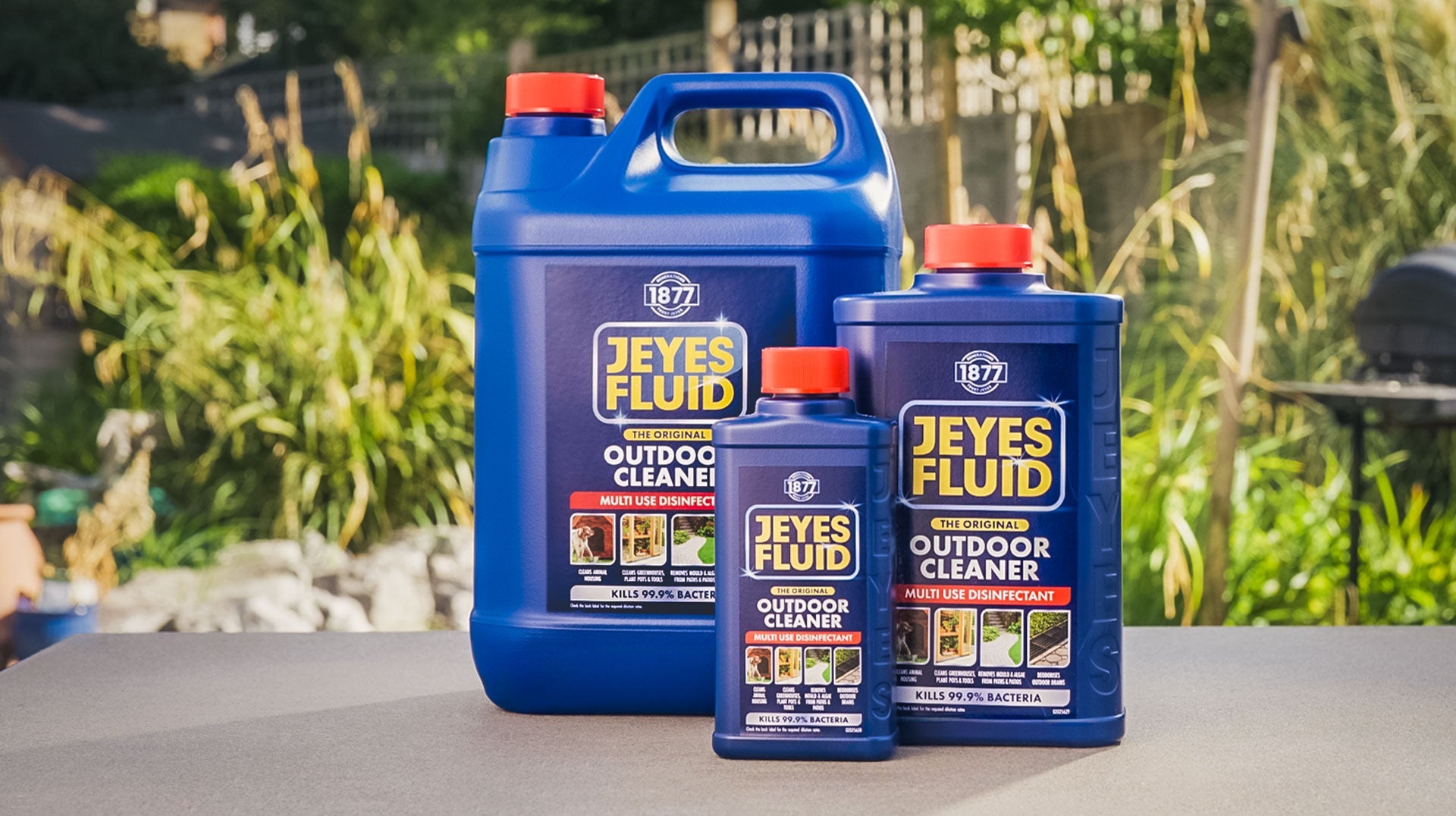
Products such as our Multi-Use Outdoor Cleaner are ideal for maintaining patios, paths and hard surfaces, helping to minimise the build-up of contaminants that contribute to drain issues over time.
By integrating these preventative practices into your outdoor care routine, you create a more resilient drainage system and reduce the likelihood of unexpected blockages reoccurring.
When to Call a Professional
While many outdoor drain blockages can be resolved with careful DIY methods and the right products, there are situations where professional support is the safest and most effective option.
If a blockage repeatedly returns despite thorough cleaning, it may indicate a deeper issue such as collapsed pipework, root intrusion or structural damage within the drainage system.
These problems require specialist equipment and expertise to diagnose correctly.
You should also contact a qualified drainage engineer if you notice foul sewage backing up into an outdoor drain, as this often points to a problem within the foul drainage network rather than a simple gully obstruction.
Similarly, if your property is experiencing widespread drainage concerns - such as multiple drains running slowly or overflowing during light rainfall - a professional assessment is strongly advised.
Safety must always come first. If at any point the blockage appears beyond the scope of manual tools or chemical treatments or if you’re unsure about the integrity of the system, calling a professional ensures the issue is resolved quickly and securely without risk to your home or outdoor surfaces.
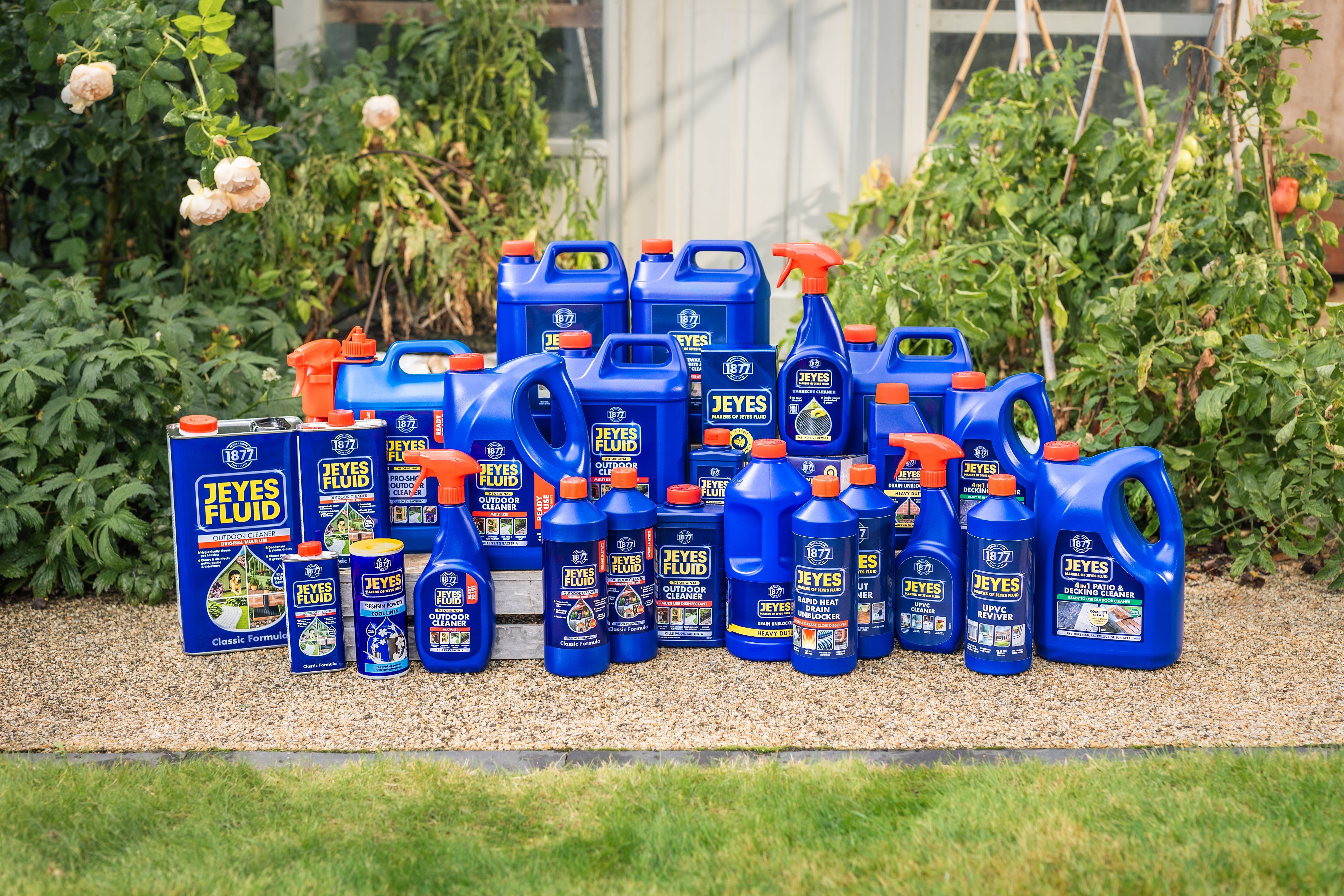
For more expert outdoor cleaning solutions, trusted by households since 1877, explore the full Jeyes Fluid range of our outdoor cleaning products.